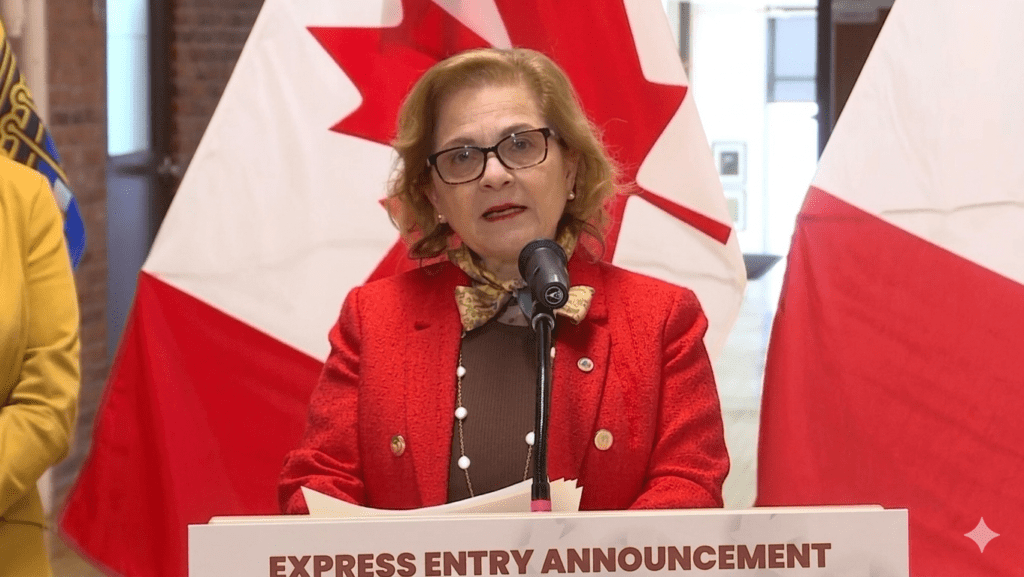


Becoming a Canadian citizen is a proud milestone, and the Canadian citizenship oath ceremony is the final step in that journey. In recent years, applicants have noticed a major change in how these ceremonies are conducted. Many now wonder about the virtual vs in-person Canadian citizenship ceremony and which option offers the best experience.
This guide explains everything you need to know—clearly, honestly, and from a practical point of view so you can understand your ceremony, set expectations, and feel confident on citizenship day.
What Is a Canadian Citizenship Ceremony?
A Canadian citizenship ceremony is the official event where approved applicants take the Oath of Citizenship. Once the oath is taken, you legally become a Canadian citizen.
During the ceremony, participants:
- Take the oath in English or French
- Affirm loyalty to Canada and its laws
- Receive confirmation of citizenship
- Are welcomed as new Canadians by a citizenship judge or official
Whether online or in person, the legal value of the ceremony is exactly the same.
Understanding IRCC Citizenship Ceremony Options
Today, IRCC citizenship ceremony options include both virtual and physical formats. The format assigned to you depends on factors such as:
- Location
- Ceremony availability
- Operational capacity
- Group size
Both options are recognized equally under Canadian law, and neither affects your citizenship status, rights, or responsibilities.
What Is a Virtual Canadian Citizenship Ceremony?
A virtual Canadian citizenship ceremony is conducted online, usually through a secure video platform. Applicants join from their home while an IRCC official or citizenship judge leads the ceremony.
How it works:
- You receive an official invitation email
- Identity is verified on camera
- The oath is taken together with other applicants
- Instructions are given for receiving the citizenship certificate
Virtual ceremonies became more common in recent years and continue to be widely used.
What Is an In-Person Canadian Citizenship Ceremony?
An in-person Canadian citizenship ceremony is the traditional format held at a physical venue such as a community center, courthouse, or government office.
Participants attend the event in formal or semi-formal attire and take the oath together in front of officials.
Key highlights:
- Formal atmosphere
- Physical presence of a citizenship judge
- Opportunity to take photos with the Canadian flag
- Often includes short speeches or cultural elements
For many, this is an emotional and memorable experience.
Difference Between Virtual vs In-Person Canadian Citizenship Ceremony
Understanding the difference between virtual and in-person Canadian citizenship ceremony helps applicants decide which experience suits them best.
| Aspect | Virtual Ceremony | In-Person Ceremony |
| Location | From home | Government-approved venue |
| Convenience | Very high | Moderate |
| Travel required | No | Yes |
| Emotional experience | Personal but limited | More ceremonial |
| Family attendance | Easy (online) | Limited by venue rules |
| Format | Digital | Traditional |
Both formats fulfill the same legal requirement.
Pros and Cons of Virtual Citizenship Ceremony
Understanding the pros and cons of virtual citizenship ceremony can help set realistic expectations.
Pros:
- No travel or commuting
- Ideal for remote or busy applicants
- Easier for family members to attend online
- Less time-consuming overall
Cons:
- Less ceremonial atmosphere
- Limited sense of celebration
- Technical issues can cause stress
- Fewer photo opportunities
For applicants prioritizing convenience, virtual ceremonies are often the preferred option.
Benefits of In-Person Citizenship Ceremony Canada
There are clear benefits of in-person citizenship ceremony Canada, especially for those who value tradition.
Key benefits:
- Strong emotional impact
- Formal recognition of citizenship
- Memorable group experience
- Symbolic setting with flags and officials
Many new citizens feel a deeper sense of pride and closure through an in-person event.
Which Is Better: Virtual or In-Person Citizenship Ceremony Canada?
Many applicants ask, which is better: virtual or in-person citizenship ceremony Canada? The answer depends on personal priorities.
Choose a virtual ceremony if you:
- Want convenience and speed
- Live far from a ceremony location
- Prefer a low-stress experience
Choose an in-person ceremony if you:
- Value tradition and symbolism
- Want a once-in-a-lifetime experience
- Prefer formal recognition
Legally and officially, both are equal. The difference lies in experience, not outcome.
What to Expect at a Canadian Citizenship Ceremony
If you’re wondering what to expect at a Canadian citizenship ceremony, here’s a simple breakdown.
Regardless of format:
- Identity verification takes place
- You take the oath with others
- A citizenship judge or official presides
- Instructions are provided for your certificate
The entire ceremony usually lasts 30–60 minutes.
Virtual vs In-Person Canadian Citizenship Ceremony: Final Thoughts
When comparing the virtual vs in-person Canadian citizenship ceremony, remember that both lead to the same result when you officially become a Canadian citizen.
Virtual ceremonies emphasize flexibility and accessibility, while in-person ceremonies focus on tradition and emotional significance. IRCC assigns the format based on operational needs, but both options reflect Canada’s commitment to welcoming new citizens.
Frequently Asked Questions (FAQs)
Is virtual citizenship ceremony mandatory in Canada?
No. Virtual ceremonies are common, but in-person ceremonies are still held depending on availability and location.
Can I choose an in-person citizenship ceremony in Canada?
You may request it, but IRCC makes the final decision based on scheduling and logistics.
How long does a virtual citizenship ceremony take?
Most virtual ceremonies last between 30 and 45 minutes.
Is the citizenship certificate different for virtual vs in-person ceremonies?
No. The citizenship certificate is the same regardless of ceremony format.
Final Note
Whether you attend online or in person, the moment you take the oath is when you officially become Canadian. Understanding the virtual vs in-person Canadian citizenship ceremony helps you prepare mentally and emotionally for this important milestone—one that marks the beginning of a new chapter in Canada.