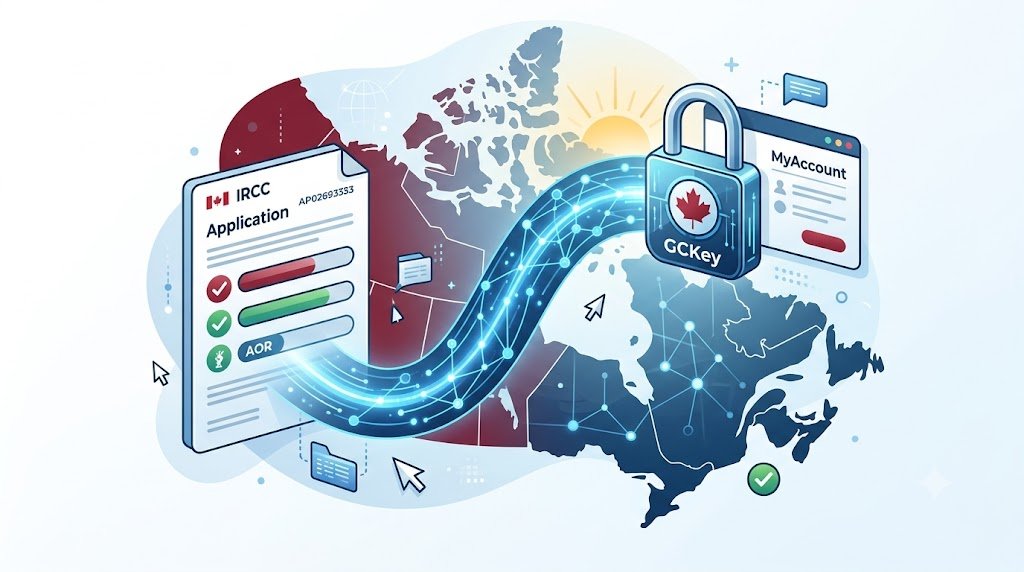

Canada remains one of the most desirable countries for immigrants, and Canada Permanent Residency Pathways 2026 offer more structured, transparent, and skill-focused options than ever before. With evolving labour market needs and immigration targets, understanding the right pathway is critical for success.
This guide explains Canada immigration pathways 2026, eligibility requirements, points system updates, and how skilled workers can apply strategically for permanent residence.
What Is Canada Permanent Residency?
Canada Permanent Residency (PR) allows foreign nationals to live, work, and study anywhere in Canada permanently while accessing healthcare, social benefits, and a pathway to citizenship.
In 2026, Canada continues to prioritize:
- Skilled workers
- International graduates
- Healthcare and STEM professionals
- Trades workers
- Francophone applicants
Overview of Canada Permanent Residency Pathways 2026
The Canada Permanent Residency Pathways 2026 fall under two main categories:
1. Federal Immigration Programs
2. Provincial & Regional Immigration Programs
Each pathway is designed for specific applicant profiles based on skills, experience, and adaptability.
Express Entry Canada 2026 (Federal Pathway)
Express Entry Canada 2026 remains the fastest and most popular route for skilled immigrants.
Key Express Entry Programs:
- Federal Skilled Worker Program (FSWP)
- Canadian Experience Class (CEC)
- Federal Skilled Trades Program (FSTP)
How Express Entry Works:
- Create an online profile
- Receive a CRS score
- Enter the Express Entry pool
- Get an Invitation to Apply (ITA)
- Submit PR application
Canada PR Points System 2026 (CRS)
The Canada PR points system 2026 evaluates candidates based on:
- Age
- Education
- Language proficiency (IELTS/CELPIP)
- Work experience
- Canadian experience
- Spouse factors
- Additional points (PNP, job offer, French language)
Competitive CRS scores vary, but targeted category-based draws in 2026 improve chances for eligible candidates.
Provincial Nominee Program 2026 (PNP)
The Provincial Nominee Program 2026 allows provinces to nominate immigrants who meet local labour needs.
Popular PNP Streams:
- Skilled worker streams
- International graduate streams
- Employer-driven streams
- Occupation-in-demand streams
Each province has its own eligibility criteria, making PNP one of the most flexible Canada immigration pathways 2026.
Why Choose PNP?
- Lower CRS score requirements
- Province-specific opportunities
- 600 additional CRS points with Express Entry-linked PNPs
Best PR Pathway for Canada 2026 (Comparison)
The best PR pathway for Canada 2026 depends on your profile:
| Applicant Type | Recommended Pathway |
| Overseas skilled workers | Express Entry |
| Low CRS score candidates | Provincial Nominee Program |
| Canadian graduates | CEC or PNP |
| Trades workers | FSTP or PNP |
| Healthcare professionals | Category-based Express Entry |
Canada PR Eligibility 2026
Canada PR eligibility 2026 typically depends on:
- Minimum work experience
- Educational credentials (ECA)
- Language proficiency
- Proof of funds (if applicable)
- Medical & police clearance
Eligibility varies by pathway, so meeting minimum requirements does not guarantee selection.
Canada PR Requirements 2026
The Canada PR requirements 2026 include:
- Valid passport
- Language test results
- Educational Credential Assessment
- Work experience documents
- Proof of funds
- Medical examination
- Police clearance certificates
Ensuring accurate documentation is critical to avoid refusals.
Canada PR for Skilled Workers 2026
Canada PR for skilled workers 2026 continues to prioritize professionals in:
- Healthcare
- STEM
- Construction
- Transport
- Education
- Agriculture
Category-based draws make it easier for skilled workers with in-demand experience to receive invitations even with moderate CRS scores.
Canada PR Application Process (Step-by-Step)
The Canada PR application process generally follows these steps:
- Choose the right PR pathway
- Check eligibility requirements
- Complete language testing
- Get educational credentials assessed
- Create Express Entry or PNP profile
- Receive ITA or provincial nomination
- Submit PR application to IRCC
- Complete biometrics and medicals
- Receive Confirmation of Permanent Residence (COPR)
How to Get Canada PR in 2026 (Strategic Tips)
If you’re wondering how to get Canada PR in 2026, focus on:
- Improving language scores
- Gaining Canadian work experience
- Applying through PNPs
- Targeting category-based Express Entry draws
- Strengthening your profile before applying
Strategic planning significantly improves success rates.
Processing Time for Canada PR in 2026
Processing times vary by pathway:
- Express Entry: ~6–8 months
- PNP (non-Express Entry): 12–18 months
- CEC: Faster than overseas programs
Actual timelines depend on application accuracy and volume.
Common Mistakes to Avoid
- Applying without meeting eligibility
- Incorrect CRS calculation
- Incomplete documentation
- Ignoring PNP opportunities
- Using outdated immigration rules
Avoiding these mistakes improves approval chances.
Frequently Asked Questions (FAQs)
What is the best PR pathway for Canada in 2026?
The best pathway depends on your profile. Express Entry suits high-scoring skilled workers, while PNPs are ideal for applicants with lower CRS scores or provincial job offers.
Is Express Entry still open in 2026?
Yes. Express Entry Canada 2026 remains active with category-based and general draws targeting specific occupations and skills.
How many points are needed for Canada PR in 2026?
CRS cut-offs vary by draw type. Category-based draws often require fewer points than general draws.
Can I apply for Canada PR without a job offer?
Yes. Many applicants receive PR without a job offer through Express Entry or PNPs, depending on eligibility and CRS score.
Final Thoughts
The Canada Permanent Residency Pathways 2026 offer multiple routes for skilled workers, graduates, and professionals worldwide. With targeted immigration policies and flexible pathways, Canada continues to welcome immigrants who can contribute to its economy and society.
Choosing the right pathway, preparing documents carefully, and staying updated with IRCC policies are the keys to PR success in 2026.