
Canada’s new citizenship law has brought long-awaited relief and clarity for many families abroad. With Bill C-71 officially passed, thousands of Canadians living overseas and their children born abroad now have renewed hope of obtaining or restoring their citizenship rights.
If you’ve ever wondered how this affects you or your family, this guide explains everything — from who qualifies to how to apply under the new law.
Overview of Canada’s New Citizenship Law
In 2025, the Government of Canada introduced significant changes through Bill C-71, aiming to address long-standing citizenship gaps that affected Canadians living abroad.
Before this amendment, many individuals — especially children of Canadians born outside the country — were excluded from citizenship because of outdated legal definitions or generational cut-offs.
The new citizenship law simplifies and expands eligibility. It ensures that Canadians who were previously denied or stripped of their citizenship due to technicalities can now reclaim their rights and pass citizenship to their children, regardless of where they were born.
These updates reflect Canada’s ongoing commitment to inclusivity and family unity.
Who Qualifies Under the New Citizenship Law (2025 Updates)
The new law clarifies who qualifies for Canadian citizenship in 2025, especially for families with complex international backgrounds.
Under Bill C-71 citizenship changes, the following groups now qualify:
- Children born abroad to a Canadian parent, even if that parent was also born outside Canada (ending the “first-generation limit” confusion).
- Canadians who lost citizenship under older versions of the Citizenship Act.
- Individuals whose citizenship applications were previously rejected due to residency or technical documentation issues.
- Descendants of Canadians who served or worked overseas but were not recognized as citizens by birth.
In short, if your parent or grandparent was a Canadian citizen — even if you were born outside Canada there’s now a strong chance you qualify under Canada’s new citizenship law.
How the Law Helps Families and Children Born Abroad
One of the most important updates concerns Canadian citizenship for children born abroad.
Before Bill C-71, only the first generation born outside Canada could automatically inherit citizenship. This left many children — especially those born to Canadians living abroad for work or study — without the right to citizenship.
Now, the government recognizes that modern families are global. Children born abroad to Canadian citizens are now included, ensuring that citizenship follows the bloodline, not just the birthplace.
For thousands of families, this change restores not only legal rights but also emotional belonging.
Restoring Citizenship Rights in Canada
Another major improvement under the new citizenship law involves restoring citizenship rights in Canada for people who lost or were denied it through outdated regulations.
This includes individuals affected by past legal amendments or by administrative oversights. For example:
- Those who renounced citizenship to work in another country decades ago can now reapply more easily.
- Individuals who were “lost Canadians” due to birth outside Canada can now reclaim their citizenship.
The law acknowledges that citizenship should not be unfairly withheld because of technical or historical errors. It restores dignity and equality to thousands of Canadians worldwide.
How to Apply for Canadian Citizenship Under the New Law
If you believe you or your family may qualify, here’s a simplified overview of how to apply for Canadian citizenship under the new law:
- Review Eligibility:
Confirm that you or your child qualify under the updated IRCC citizenship updates 2025. - Gather Documents:
- Birth certificates and proof of parent’s Canadian citizenship
- Marriage or adoption papers (if applicable)
- Any old citizenship or immigration records
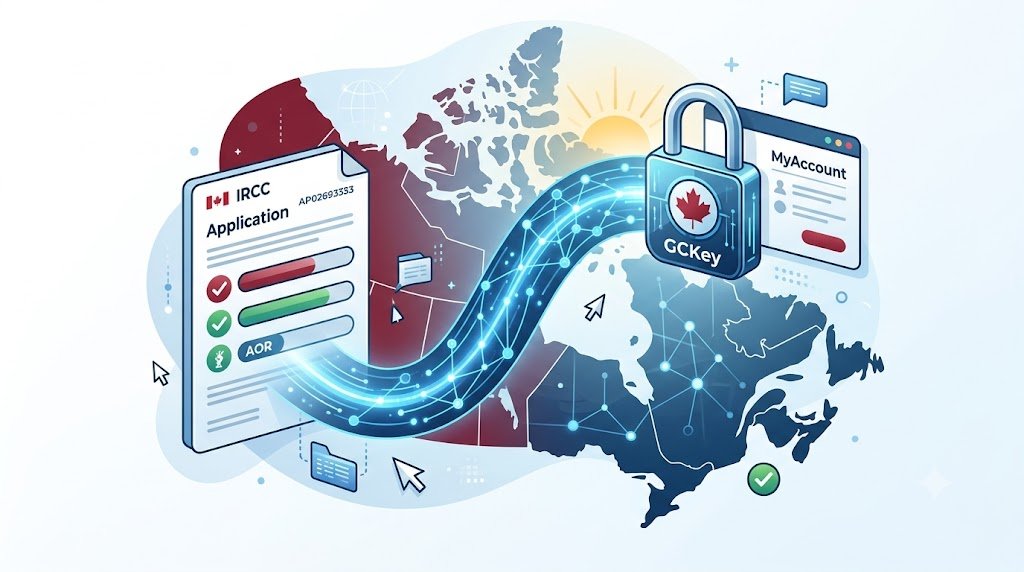
- Submit Application Online:
The Immigration, Refugees and Citizenship Canada (IRCC) portal allows online submissions with digital uploads of required documents. - Pay Application Fees:
Fees vary depending on age and application type. - Wait for Processing:
Processing times vary by region, but applications under Bill C-71 are expected to be prioritized through mid-2026. - Receive Citizenship Certificate:
Once approved, you’ll receive an updated certificate confirming your status as a Canadian citizen.
Pro Tip: If your case involves multiple generations or past denials, it’s best to consult an authorized immigration expert to ensure your application is structured correctly.
Citizenship Law for Canadians Living Abroad
For Canadians working, studying, or raising families overseas, this legislation is especially meaningful.
The citizenship law for Canadians living abroad ensures that children won’t lose their right to citizenship simply because of where they were born. It also acknowledges the growing number of Canadians contributing to the world beyond borders — from diplomats and engineers to healthcare workers and educators.
In short, being Canadian no longer stops at the border — and this law makes sure of that.
Key Takeaways
- Bill C-71 modernizes citizenship rules for today’s global families.
- It removes the first-generation limit that previously excluded many children born abroad.
- Families can now restore citizenship rights lost due to outdated laws.
- Applications are simpler and more inclusive under IRCC’s 2025 updates.
- Canadians abroad can now pass on citizenship more easily than ever before.
FAQs
1. What is Canada’s new citizenship law about?
It’s a 2025 reform under Bill C-71 that expands who qualifies for citizenship — especially for Canadians living abroad and their children.
2. Who benefits most from Bill C-71?
Families who were excluded by the previous first-generation limit, as well as individuals seeking to restore lost citizenship.
3. Can children born abroad now become Canadian citizens automatically?
Yes, if at least one parent is a Canadian citizen, the child born abroad now automatically qualifies under the new provisions.
4. How do I restore my lost citizenship in Canada?
Submit a reinstatement application to IRCC with proof of prior status and supporting documentation. The new process is simpler and faster.
5. What documents are required for applying under the new law?
Birth certificates, parent’s citizenship proof, marriage/adoption papers, and any prior citizenship records.
Conclusion:
Canada’s new citizenship law is more than a policy update — it’s a reaffirmation of fairness, belonging, and global family unity.
If you or your child were previously denied citizenship due to the first-generation rule or lost status for technical reasons, now is the time to revisit your eligibility.
At Yoke Immigration, we specialize in helping families abroad navigate complex IRCC changes with clarity and confidence. Our experts stay up-to-date on every legislative change, ensuring that your application is accurate, complete, and timely.Ready to confirm your eligibility under Canada’s new citizenship law?
Reach out to Yoke Immigration today — your trusted guide to Canadian citizenship success.